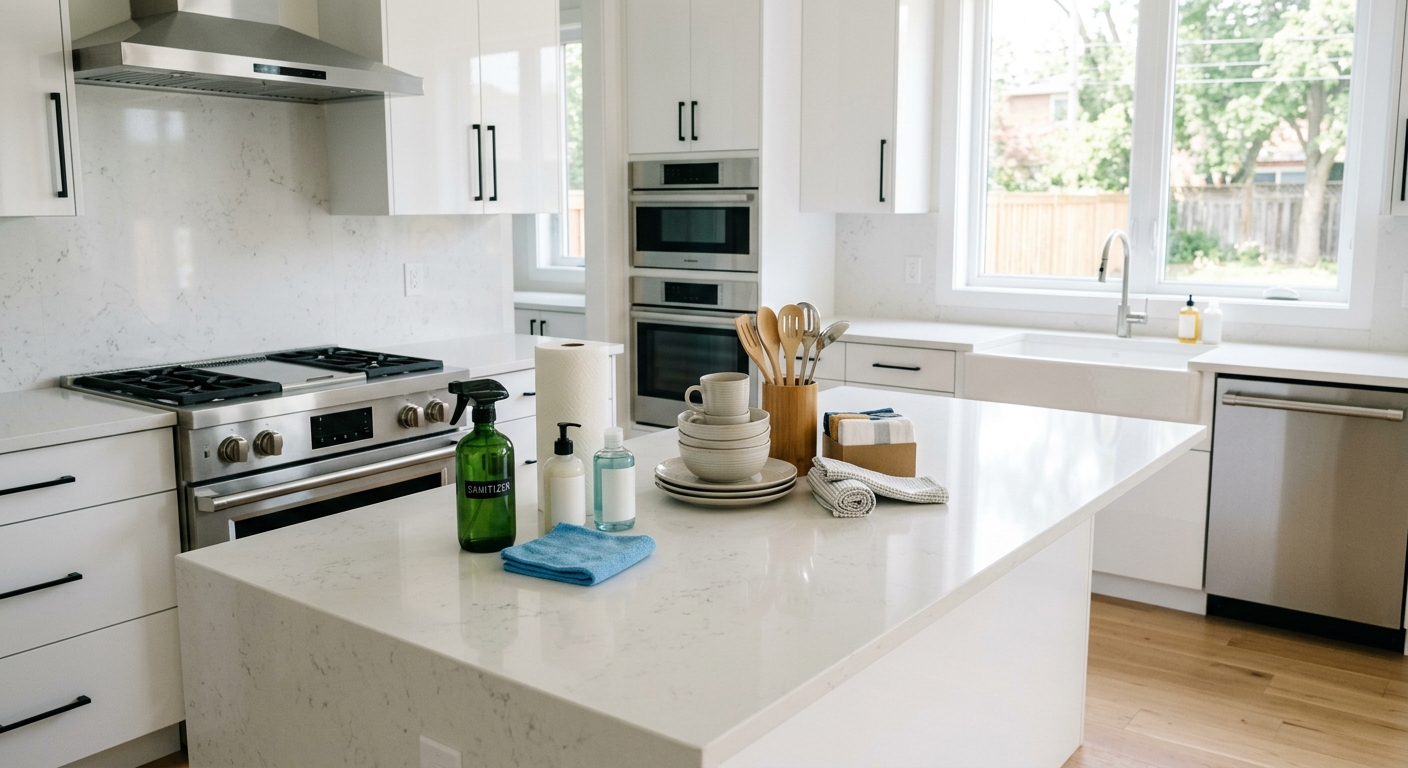
You've got the keys to your new home, the moving truck is scheduled for tomorrow, and you're planning to spend your first night in your new space tonight. But here's something most new homeowners don't realize: that "move-in ready" property might not be as clean as you think.
After cleaning hundreds of homes for new owners across South Florida, the St. Petersburg area, and the Florida Panhandle coast, we've learned that the phrase "move-in ready" doesn't always mean deep-cleaned. While the previous owners or landlord may have completed a surface-level clean, there could be leftover allergens, grime, bacteria, and odors hidden in spaces that will affect your health and comfort from day one.
Here's the reality: indoor pollutant concentrations are often 2 to 5 times higher than typical outdoor concentrations, according to EPA data. And Americans spend approximately 90% of their time indoors. That's why your first night new home cleaning essentials checklist isn't just about aesthetics—it's about creating a safe, healthy environment before you unpack a single box.
In this guide, we'll walk you through exactly what to clean before you sleep in your new home tonight, which supplies you absolutely need, and the professional techniques that make the difference between a surface wipe-down and a truly sanitized space.
Why Your First Night Cleaning Matters More Than You Think
We've heard it countless times: "Can't I just clean this weekend after we move in?" The short answer is yes, you can. But here's what we've learned from our experience cleaning 200+ homes every month since 2023.
When you wait to clean until after your belongings are inside, you're essentially sealing in whatever was already there. Dust, allergens, bacteria from previous occupants, construction debris (even in new builds), pet dander, and mold spores get trapped under your furniture, inside your closets, and throughout your HVAC system.
The health implications are real. Bedrooms that aren't cleaned before move-in can harbor bacteria and allergens that cause serious respiratory issues. Mold can grow on wood, drywall, carpet, and furniture if they remain wet for more than 24 hours. And if the previous owners had pets or smoked indoors, those particles are embedded in surfaces you're about to touch every single day.
Plus, cleaning an empty home takes 4-6 hours for a studio or one-bedroom, according to professional estimates. Once furniture is in place, that same job can take more than a day and requires moving heavy items repeatedly.
The bottom line: an empty home is exponentially easier to clean thoroughly. Your first night is your best opportunity to start fresh.
Essential Supplies: What to Pack in Your First-Night Cleaning Kit
Before we dive into the room-by-room checklist, let's talk about supplies. You don't need an entire closet full of products for your first night, but you do need the right ones.
Here's what we pack for every move-in clean:
Core Cleaning Products
- All-purpose cleaner: A quality spray bottle that cuts grease and grime (we prefer concentrated formulas you can dilute)
- Disinfecting wipes: These remain one of the top-selling cleaning products on Amazon in 2025 for good reason—convenience and effective sanitization
- Glass cleaner: For windows, mirrors, and shower doors
- Bathroom cleaner: Something specifically formulated for soap scum and hard water
- Floor cleaner: Appropriate for your flooring type
- Bar Keepers Friend: We prefer this over generic abrasive cleaners for stainless steel appliances and stubborn stains because it's oxalic-acid-based and won't scratch surfaces when used correctly
Tools You Can't Skip
- Microfiber cloths: At least 10-12 of them (reusable pastel cleaning sponges run about $9.99 for a pack on Amazon and work beautifully)
- A quality vacuum: Cordless stick vacuums now represent 68% of all vacuum cleaner sales on Amazon. Budget options start around $140-$150 with up to 50 minutes runtime
- Mop and bucket: Or a spray mop system
- Scrub brushes: Various sizes for grout, corners, and detailed work
- Heavy-duty trash bags: You'll generate more waste than you expect
- Rubber gloves: Protect your hands, especially if you have sensitive skin
- Extension duster: For ceiling fans, light fixtures, and vents
Often-Forgotten Items
- Flashlight: For inspecting dark corners, under sinks, and inside cabinets
- Step ladder: Essential for reaching high surfaces safely
- Radon test kit: Radon is the second leading cause of lung cancer in the U.S., and it enters homes through cracks in floors and walls. A do-it-yourself kit is inexpensive insurance
- Carbon monoxide detector: Install this immediately—CO causes headaches, dizziness, and fatigue, and high levels can be fatal
- Box fan: For ventilation while cleaning (more on this in a moment)
Pro Tip: Create a dedicated cleaning caddy that you can carry from room to room. This saves hundreds of steps during a whole-house clean and keeps all your supplies within arm's reach.
First Night New Home Cleaning Essentials: Room-by-Room Priority Areas
Now let's get into the specific cleaning tasks that absolutely must happen before you spend your first night in your new home. We're going to work in the most efficient order: top to bottom, back to front.
Start with Air Quality and Ventilation
Before you touch a single surface, address the air you're going to breathe all night.
Open every window in the house. The EPA's updated 2025 guidance specifically emphasizes ventilation improvements to reduce airborne particles indoors. Set up box fans in windows to create cross-ventilation—one blowing in, one blowing out.
Check your HVAC filter immediately. If it looks dirty or you don't know when it was last changed, replace it. The EPA recommends changing filters every 1-3 months, and we suggest investing in a high-quality pleated filter with a MERV rating between 13-16, which is significantly more effective at capturing fine particles (PM2.5) compared to standard fiberglass filters.
Here's a myth we need to address: houseplants will not purify your air. Despite popular belief and laboratory experiments, there is currently no evidence that a reasonable number of houseplants remove significant quantities of pollutants in homes. Don't rely on a few potted plants—rely on proper ventilation and filtration.
Keep windows open and fans running throughout your entire cleaning process. Many cleaning products release volatile organic compounds (VOCs) that evaporate at room temperature, both during use and while stored. Fresh air circulation is your best defense.
Kitchen: The Highest Priority Room
In our experience, kitchens require the most attention during move-in cleaning. They're also the most commonly used space, so any missed grime or bacteria will affect you immediately.
Start with appliances—inside and out:
Open your refrigerator and remove all shelves and drawers. Wash them in hot, soapy water. Wipe down every interior surface with a disinfecting solution, paying special attention to the door seals where mold commonly grows. Don't forget the drip pan underneath if your model has one.
The oven is next. Even if it looks clean, run the self-cleaning cycle if it has one (with excellent ventilation). Otherwise, use an oven cleaner and let it sit according to package directions. We've found ovens that look spotless on the surface but have years of baked-on grease inside that will smoke the first time you preheat.
Remove and clean dishwasher filters. Run an empty cycle with a dishwasher cleaner or two cups of white vinegar on the top rack. This eliminates odors and buildup from previous use.
Wipe down the microwave interior with a damp cloth after heating a bowl of water with lemon juice for 3-4 minutes—the steam loosens stuck-on food.
Cabinets and drawers: Empty and wipe down every single one. Check for pest droppings, crumbs, or shelf liner that needs replacing. This is also your opportunity to test that all drawers open smoothly and cabinet doors close properly.
Countertops and backsplash: Use an appropriate cleaner for your surface material. For stainless steel sinks and fixtures, this is where Bar Keepers Friend shines. Use it with a damp cloth, rub in the direction of the grain, and rinse thoroughly. It removes water spots and oxidation that other cleaners leave behind.
Floors: Sweep thoroughly, then mop with a degreasing floor cleaner. Kitchen floors accumulate cooking oil and grime that regular mopping doesn't always remove. For tile grout, a grout brush with a bleach-based cleaner works wonders.
Testing is cleaning: One advantage of this deep clean is that you're naturally testing every appliance. Turn on the garbage disposal, run the dishwasher, test all burners, check the oven temperature, and ensure the refrigerator is cooling properly. Address any issues now, not after you've filled the fridge with groceries.
Bathrooms: Sanitization is Non-Negotiable
Bathrooms are intimate spaces, and you need them to be genuinely clean for your first night.
Toilet: Start here because it's the most contaminated surface. Spray the entire exterior with disinfectant and let it sit while you clean other surfaces. Use a toilet bowl cleaner inside, scrub thoroughly with a dedicated toilet brush, then wipe down the exterior, seat, and base. Don't forget the area where the toilet meets the floor—this is a common spot for urine residue and bacteria.
Shower and tub: Spray with a bathroom cleaner designed for soap scum (we love products containing citric acid for this). Let it dwell for 5-10 minutes, then scrub the walls, floor, and glass doors. Use a grout brush on tile grout—it should look lighter when you're finished. Check the caulking for mold or mildew; if it's black or deteriorating, it may need to be resealed before you can truly consider the bathroom clean.
Sink and vanity: Wipe down all surfaces, clean inside the cabinet, and don't skip the medicine cabinet if there is one. Polish fixtures and mirrors with glass cleaner.
Ventilation fan: Remove the cover and wash it. Vacuum the fan unit inside—dust buildup reduces effectiveness and can become a fire hazard. Proper bathroom ventilation is crucial for preventing mold growth, which can start in as little as 24 hours on wet surfaces.
Floors: Bathroom floors harbor more bacteria than most people realize. Mop with a disinfecting floor cleaner, and use a smaller brush or old toothbrush to clean around the toilet base and in corners.
Bedrooms: Creating a Healthy Sleep Environment
You're going to spend your first night sleeping here, so bedrooms deserve thorough attention.
Closets first: Vacuum and wipe down all surfaces. Check for signs of pests or water damage. Clean the closet rod and any built-in shelving. If there's carpeting, vacuum thoroughly—closet carpets are often neglected and can harbor dust mites and allergens.
Windows and window sills: Clean the glass inside and out. Wipe down sills and tracks, which accumulate dead insects, dust, and mold. If there are blinds, dust or wipe each slat. For curtains left by previous owners, consider washing them or replacing them entirely.
Walls and baseboards: Wipe down walls with a damp microfiber cloth, paying attention to light switches and areas around door handles. Clean baseboards with a damp cloth—they're dust magnets.
Ceiling fans and light fixtures: Use an extension duster or climb a ladder to wipe down fan blades and light fixtures. When you turn on ceiling fans for the first time in a dusty room, all that dust rains down on your bed.
Floors: Whether carpet, hardwood, or tile, this is the time for a deep clean. Vacuum carpets thoroughly, including corners and under where furniture will go. If you have hardwood or tile, sweep and mop completely. For carpets that look or smell questionable, consider having them professionally steam-cleaned before moving in—this is far easier to coordinate when the room is empty.
Living Areas and Hallways
These spaces might seem less critical, but they're the connective tissue of your home and deserve attention.
Dust from top to bottom: Start with ceiling corners and light fixtures, work down to wall art hooks or shelving, then finish with baseboards.
Clean windows and glass doors: Inside and out, including tracks and frames.
Vents and returns: Use a vacuum attachment to remove dust from air vents and cold air returns. This prevents recirculating old dust through your newly cleaned home.
Floors: Vacuum or sweep thoroughly, then mop hard surfaces. Pay attention to corners and behind doors where dust collects.
Utility Areas: Laundry Room and Garage
Laundry room: Wipe down the washer and dryer exterior. Clean the lint trap and exhaust vent in the dryer (a leading cause of house fires). Run an empty washer cycle with white vinegar to clean the drum. Sweep and mop floors, checking for any water damage or leaks.
Garage: If you're parking vehicles or storing items here on night one, at least sweep out debris. Check for oil stains, pest evidence, or items left behind. Test the garage door opener and ensure all locks work.
What Most Homeowners Get Wrong About Move-In Cleaning
After hundreds of move-in cleans, we've identified several mistakes that homeowners consistently make. Avoiding these will save you time, money, and frustration.
Mistake #1: Cleaning after furniture is moved in. We've already touched on this, but it bears repeating. One of the trickiest situations we encounter is when clients call us after their belongings are already inside. What should be a 4-6 hour job becomes an all-day affair requiring furniture moving and re-cleaning of surfaces that collected dust during the move.
Mistake #2: Assuming new construction is clean. New builds often contain construction dust, paint overspray, and adhesive residue that must be removed. We've cleaned brand-new homes where drywall dust coated every surface and window sills were thick with sawdust. Don't skip the deep clean just because the home is new.
Mistake #3: Using the wrong products for the surface. Abrasive cleaners on granite can dull the surface. Acidic cleaners on marble can etch it. Harsh chemicals on hardwood can damage the finish. Always verify that your cleaning products are appropriate for each surface you're cleaning.
Mistake #4: Not testing systems while cleaning. Turn on every faucet. Flush every toilet. Test the HVAC. Run the dishwasher. Open and close every window. This isn't just about cleanliness—it's about identifying problems before your first night, when you can still easily reach your landlord or the previous owner.
Mistake #5: Neglecting humidity control. The EPA recommends keeping indoor humidity between 30 and 50 percent. High humidity increases the likelihood of mold growth. If your new home feels damp, address it immediately with dehumidifiers or by improving ventilation. Don't wait until you see mold—prevent it from starting.
Mistake #6: Forgetting about safety devices. Carbon monoxide detectors, smoke alarms, and radon tests should be part of your first-night checklist. These aren't cleaning items, but they're essential for a safe first night in your new home.
How Long Does This Actually Take?
Let's be realistic about time expectations. Professional cleaners estimate that a thorough move-in clean takes:
- Studio or 1-bedroom: 4-6 hours
- 2-bedroom: 6-8 hours
- 3-bedroom: 8-10 hours
- Larger homes: More than a full day
These estimates assume the home is empty and you're working efficiently. If you're cleaning solo and taking breaks, add time. If the home is particularly dirty or hasn't been deep-cleaned in years, add more time.
Many new homeowners underestimate this commitment and find themselves exhausted by mid-afternoon, with half the house still to go and the moving truck arriving in hours.
This is where professional help makes sense. Hiring a professional move-in cleaning service typically costs between $150 and $400, depending on home size and condition—a worthwhile investment when you consider that you'll be working, coordinating movers, and handling dozens of other move-in tasks simultaneously.
Our team at Catalina Cleaning specializes in move-in and move-out cleaning services across our Florida service areas, and we've perfected the process to be thorough, efficient, and timed perfectly with your move schedule. If you're moving locally, our Miami move-in cleaning services can ensure your home is spotless before your first night.
The First-Night Essentials Quick Checklist
If you're short on time and can only tackle the absolute essentials before sleeping in your new home tonight, prioritize these tasks:
- Replace or clean HVAC filter
- Install carbon monoxide detector and check smoke alarms
- Open windows and ventilate for at least 2 hours
- Clean and sanitize all bathroom surfaces, especially toilet and shower
- Wipe down kitchen counters, sink, and appliances you'll use tonight
- Vacuum and mop bedroom floors where you'll sleep
- Wipe down light switches, door handles, and high-touch surfaces throughout the house
- Test all locks on exterior doors and windows
- Clean inside the refrigerator if you're storing food
- Ensure water is running properly and hot water heater is functioning
This abbreviated list addresses health and safety priorities and ensures you can sleep comfortably, even if deeper cleaning waits until the weekend.
Frequently Asked Questions
Should I hire professional cleaners for move-in cleaning or do it myself?
It depends on your timeline, budget, and the home's condition. Professional move-in cleaning costs $150-$400 but saves you 4-10+ hours of intensive work and ensures a thorough, systematic clean using commercial-grade products. If you're coordinating movers, working full-time, and managing other move logistics, professional cleaning is often worth every penny. However, if you have time, energy, and the right supplies, DIY cleaning gives you complete control and familiarity with every corner of your new home. Many homeowners choose a hybrid approach: handle quick tasks themselves and hire pros for intensive jobs like carpet steam-cleaning or post-construction cleanup.
Can I clean my new home after moving my furniture in?
Yes, but it's significantly more difficult and time-consuming. Cleaning around furniture means you'll miss areas underneath and behind items, you'll need to move heavy pieces multiple times, and dust from moving will settle on already-cleaned surfaces. What takes 4-6 hours in an empty home can easily take twice as long once furniture is in place. If you absolutely must move in before cleaning, at least prioritize bathrooms, kitchen, and sleeping areas before unpacking, and consider scheduling a professional deep cleaning within the first few weeks to address what you missed.
How do I know if my new home has hidden mold or air quality issues?
Look for visible signs: musty odors, water stains on ceilings or walls, peeling paint, warped flooring, or discolored grout and caulk in bathrooms. Check under sinks, in crawl spaces, and in basement corners. Run your HVAC system and smell the air coming from vents—mold in ductwork has a distinctive musty smell. For peace of mind, consider professional mold testing or a pre-move-in home inspection that includes air quality assessment. Remember that indoor pollutant concentrations are often 2-5 times higher than outdoor levels, and mold can develop in just 24 hours on wet surfaces, so addressing moisture and ventilation immediately is crucial.
What cleaning supplies should I pack separately for immediate access on moving day?
Create a clearly labeled "First Night Cleaning Kit" that stays with you, not on the moving truck. Include: all-purpose cleaner, disinfecting wipes, glass cleaner, bathroom cleaner, paper towels, microfiber cloths, trash bags, rubber gloves, hand soap, toilet paper, a basic vacuum or broom, and a mop. Don't forget a flashlight, step ladder, and basic tools for installing safety devices or removing outlet covers to clean behind them. Having these essentials immediately accessible means you can start cleaning the moment you get keys, without waiting for the moving truck or digging through dozens of boxes.
Starting Fresh in Your New Home
Your first night in a new home should feel exciting, not stressful. By following this first night new home cleaning essentials checklist, you're not just wiping down surfaces—you're creating a healthy foundation for the life you're about to build in this space.
We've walked you through the specific products, techniques, and priorities that professional cleaners use for move-in jobs. We've shared the common mistakes that cost homeowners time and peace of mind. And we've given you realistic expectations about what this process actually requires.
Remember the key principles: ventilation matters as much as sanitation, empty rooms are exponentially easier to clean than furnished ones, and testing systems while cleaning saves future headaches. Even if you can only complete the abbreviated essentials checklist before your first night, you'll sleep better knowing you've addressed the highest-priority health and safety concerns.
If you're feeling overwhelmed by everything on your moving day to-do list, you're not alone. That's exactly why Catalina Cleaning offers comprehensive move-in cleaning services designed to coordinate seamlessly with your move timeline. We serve homes across South Florida, the St. Petersburg area, and the Florida Panhandle coast, and we've helped hundreds of families start fresh in thoroughly cleaned, truly move-in-ready homes.
Your new home is waiting. Whether you tackle this cleaning yourself or bring in professional help, the effort you invest on day one pays dividends in comfort, health, and peace of mind for years to come. Welcome home.