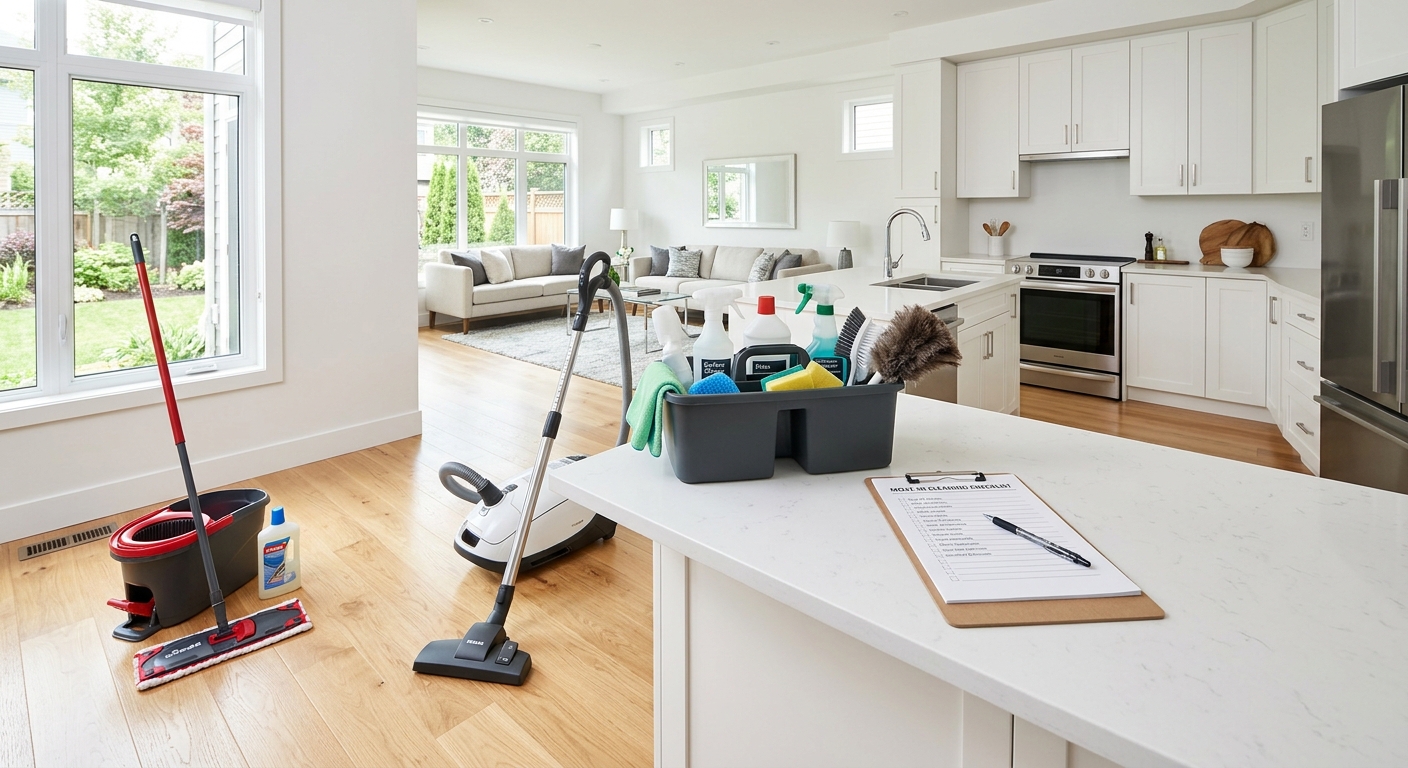
You've just received the keys to your new home, and you're eager to start unpacking. But here's something most people don't realize: that "move-in ready" home isn't nearly as clean as you think it is.
In our years serving homes across Florida, we've seen it countless times. Previous owners do a quick surface clean, builders leave behind construction dust, and hidden grime lurks in places you won't discover until months later. The truth is, indoor air can be 2-5 times more polluted than outdoor air, and your new home needs a thorough deep clean before you settle in.
This comprehensive move-in cleaning checklist for your new home will walk you through every room, every surface, and every corner that needs attention. We're sharing the exact process our professional team uses, including specific products that actually work, time-saving techniques, and insider tips you won't find in generic cleaning guides.
Why Deep Cleaning Before Moving In Is Non-Negotiable
Let's address the elephant in the room: yes, this takes time. A thorough move-in clean typically takes 6-8 hours for an average-sized home. But doing it now, before you move in a single piece of furniture, will save you dozens of hours later.
Here's what most homeowners don't realize. According to the EPA, one-third to one-half of all structures have damp conditions that encourage molds and bacteria, which can trigger allergic reactions and asthma. Even in newer homes, construction dust, paint residue, and hidden debris need to be removed before you start living there.
We've cleaned hundreds of "move-in ready" homes, and we consistently find the same issues: sticky cabinet interiors, dusty air vents, grimy baseboards, and bathroom fixtures with hard water stains. These aren't just cosmetic problems. Americans spend approximately 90% of their time indoors, and starting with a truly clean slate protects your family's health from day one.
Pro Tip: Schedule your move-in cleaning for the day after closing but before your moving truck arrives. An empty house is exponentially easier to clean than one with furniture and boxes everywhere.
Essential Supplies for Your Move-In Cleaning Checklist
Before we dive into the room-by-room breakdown, let's talk about the tools and products you'll need. Not all cleaning products are created equal, and after testing countless options across thousands of homes, we've identified the ones that deliver professional results.
Our Top Product Recommendations
For multipurpose cleaning: We reach for Mr. Clean Clean Freak Multipurpose Cleaner more than any other product. Consumer Reports selected it as their favorite because it effortlessly cleans most surfaces and meets the EPA's Safer Choice Standard. At around $15 on Amazon, it's worth every penny. The power nozzle gives you control over spray amount, which prevents waste and over-wetting surfaces.
For glass and mirrors: Skip the vinegar-based cleaners. We prefer Sprayway's foaming glass cleaner, which Consumer Reports ranked as their top pick. Its ammonia-free formula cuts through messes and leaves surfaces instantly dry after a single wipe with a microfiber cloth. A two-pack runs about $21.28 on Amazon and will last through your entire move-in clean.
For hard water stains and bathroom grime: Professional cleaners call Bar Keepers Friend a "miracle product" for good reason. It removes rust, water stains, and burned-on grease without heavy scrubbing. For severe hard water issues, we also keep Lime-A-Way on hand—it's designed specifically to melt away mineral deposits that regular cleaners can't touch.
For floors: The Bona Spray Mop Air won Apartment Therapy's 2026 Cleaning Award for good reason. It's safe for all surfaces, lightweight, and the cleaning pad is washable up to 500 times. That's a significant cost savings over disposable pads.
Additional Essential Tools
- Microfiber cloths (at least 20—you'll go through them quickly)
- Vacuum with HEPA filter and attachments
- Extendable duster for ceiling fans and high corners
- Bucket and mop for hard floors
- Scrub brushes in various sizes
- Step ladder or sturdy stool
- Heavy-duty trash bags
- Rubber gloves to protect your hands
Money-Saving Tip: Consumer Reports advises that buying products sold as refills is often less expensive per ounce than buying spray bottles. Stock up on refills for products you'll use regularly.
The Critical First Step: HVAC System and Air Quality
Here's what separates professional move-in cleaning from amateur work: we always start with the systems, not the surfaces. The single most important task on your move-in cleaning checklist for your new home is replacing the HVAC filter.
Even if the previous owners' filter looks clean, start fresh. Brands like 3M Filtrete and Honeywell offer excellent options. Consider upgrading to a higher MERV (Minimum Efficiency Reporting Value) rated filter to capture smaller particles like pollen, mold spores, and bacteria.
While you're focused on air quality, the EPA recommends testing for radon—the second leading cause of lung cancer. Radon gas enters homes through cracks and openings in floors and walls. Do-it-yourself radon test kits are available and inexpensive compared to the peace of mind they provide.
Additional Air Quality Steps
Open all windows during your cleaning session to maximize ventilation. The EPA identifies source control as the most effective way to improve indoor air quality. Keep indoor humidity between 30 and 50 percent to reduce mold and other pollutants—pick up an inexpensive hygrometer to monitor levels.
Vacuum all air vents and returns thoroughly. We use a vacuum attachment with a brush head to capture dust without damaging the vents. This step alone can dramatically improve air quality once you turn the system on.
Kitchen Deep Clean: Room-by-Room Move-In Cleaning Checklist
The kitchen requires the most time and attention during a move-in clean. Budget at least 2-3 hours for this space, even if it looks relatively clean at first glance.
Appliances: Inside and Out
Refrigerator: Remove all shelves and drawers. Wash them in hot, soapy water and dry completely before replacing. Wipe down interior walls with a solution of baking soda and water (never use harsh chemicals where food will be stored). Don't forget to vacuum the coils underneath or behind the unit—dusty coils reduce efficiency and drive up energy costs.
Oven and stovetop: One of the trickiest situations we encounter is baked-on grease that previous owners ignored. Remove oven racks and soak them in hot water with dish soap and a dryer sheet (yes, really—it works). For the oven interior, we prefer the fume-free cleaners, but for seriously neglected ovens, you might need a heavy-duty option. Let the cleaner sit for the full recommended time before wiping.
Dishwasher: Run an empty cycle with a dishwasher cleaner or two cups of white vinegar placed in a dishwasher-safe container on the top rack. Check and clean the filter at the bottom—it's often clogged with debris.
Microwave: Heat a bowl of water with lemon slices for 3-5 minutes. The steam loosens grime, making it easy to wipe clean. Remove and wash the turntable separately.
Cabinets and Drawers
This is where most DIY cleaners cut corners, but it's crucial. Pull out all drawers and wipe down the interior and exterior surfaces. Previous owners often leave behind sticky residue, crumbs, or even shelf liner that needs removing.
For cabinet interiors, use a multipurpose cleaner and wipe down every shelf. Pay special attention to corners where grease and dust accumulate. If you find sticky spots (common near the stove), use Goo Gone Grout & Tile Cleaner, which carries the Safer Choice label from the EPA.
Line drawers with fresh liner if desired, but only after they're completely dry. Mold can grow on wood, drywall, carpet, and furniture if they remain wet for more than 24 hours.
Countertops, Backsplash, and Sink
Clean countertops with a product appropriate for the material. Granite and marble need pH-neutral cleaners, while laminate can handle more aggressive options. For grout on tile backsplashes, Bar Keepers Friend works wonders on stains that regular cleaners leave behind.
The sink deserves special attention. Scrub the basin, faucet, and handles thoroughly. For stainless steel sinks, we use Bar Keepers Friend to remove water spots and restore shine. Check under the sink for any moisture or mold—this is a common problem area that needs to be addressed before you store cleaning supplies there.
Bathroom Sanitization: Where Details Matter Most
After cleaning hundreds of bathrooms in new homes, we've learned that this room requires both elbow grease and the right products. Budget 45-60 minutes per bathroom for a thorough move-in clean.
Toilet Deep Clean
Start by pouring a toilet bowl cleaner around the rim and letting it sit while you clean other surfaces. Use a toilet brush to scrub under the rim, around the bowl, and down into the trap. Don't forget the exterior—wipe down the entire outside of the toilet, including the base where dust and hair accumulate.
For stubborn hard water rings, pumice stones work effectively without scratching porcelain. We've removed stains in minutes that resisted chemical cleaners for hours.
Shower and Tub Transformation
This is where Lime-A-Way earns its place in your arsenal. Hard water deposits build up in showers and tubs, especially in areas with mineral-rich water. Spray generously, let it sit for the recommended time, then scrub with a non-abrasive sponge.
For grout, use a grout brush (a old toothbrush works in a pinch) with Bar Keepers Friend. Work in small sections and rinse thoroughly. If you're dealing with mildew, use a product specifically designed to kill mold and mildew—just never mix cleaning products unless the label explicitly says to do so. The EPA explicitly warns against this practice due to dangerous chemical reactions.
Clean shower doors with the Sprayway glass cleaner we mentioned earlier. It cuts through soap scum better than bathroom-specific cleaners in our experience. Wipe down all fixtures, showerheads, and handles.
Vanity, Mirror, and Storage
Empty cabinets and drawers completely. Wipe down interiors with multipurpose cleaner. Check under the sink for leaks or moisture—address any issues before they become major problems.
Clean the mirror with glass cleaner and a microfiber cloth, wiping in a circular motion then finishing with vertical strokes to prevent streaks. Wipe down the vanity countertop and sink, paying attention to the area around the faucet where toothpaste and soap residue accumulate.
Bedrooms, Living Areas, and Floors Throughout
These spaces require less intensive cleaning than kitchens and bathrooms, but thoroughness still matters. Work from top to bottom in each room—this means starting with ceiling fans and light fixtures, then moving to walls, windows, and finally floors.
Top-to-Bottom Approach
Ceiling fans and light fixtures: Use an extendable duster or stand on a stable ladder. Wipe down each fan blade individually—they accumulate shocking amounts of dust. Remove light fixture covers and wash them in warm, soapy water.
Walls and baseboards: Spot-clean walls with a magic eraser sponge, focusing on light switches, door frames, and areas that show fingerprints or scuffs. Wipe down all baseboards with a damp microfiber cloth. This is a time-consuming task but transforms the room's appearance.
Windows and window sills: Clean windows inside and out with Sprayway glass cleaner. Don't forget window tracks and sills, which accumulate dirt and dead insects. Use a vacuum attachment first, then wipe clean with a damp cloth.
Closets: Vacuum closet floors and wipe down shelving and rods. Check corners for cobwebs. If you notice a musty smell, place an open box of baking soda in the closet to absorb odors.
Floor Cleaning by Type
Hardwood: Vacuum thoroughly, then mop with a product like Bona Hardwood Floor Cleaner using the Bona Spray Mop. Never saturate hardwood floors—use minimal moisture. Consumer Reports found Mop & Glo 3-in-1 did a solid job on hardwood, ceramic, and laminate, and was particularly good at removing scuffs.
Tile: Vacuum first to remove loose debris, then mop with hot water and an appropriate cleaner. For grout lines, you may need to scrub with a brush and grout cleaner. Rinse the floor with clean water to remove any cleaner residue.
Carpet: Vacuum thoroughly, making multiple passes in different directions. For stains, spot-treat before your furniture arrives. Consider professional carpet cleaning for heavily soiled carpets, and our deep cleaning service can handle the rest of the home.
Common Mistakes to Avoid During Move-In Cleaning
After watching countless homeowners tackle move-in cleaning themselves (and sometimes calling us to fix issues afterward), we've identified the most common mistakes that waste time and money.
Mistake #1: Cleaning After Furniture Arrives
We cannot stress this enough: clean before you move anything in. Trying to deep clean around boxes and furniture takes three times longer and you'll inevitably miss spots. If you've already moved in, consider our Miami deep cleaning service to tackle those hard-to-reach areas properly.
Mistake #2: Using the Wrong Products for the Job
Not all surfaces tolerate all cleaners. Acidic cleaners damage natural stone. Abrasive scrubbers scratch glass cooktops. Bleach discolors colored grout. Always test products in inconspicuous areas first and read manufacturer recommendations for your home's specific surfaces.
Mistake #3: Believing Common Cleaning Myths
Let's debunk a popular one: houseplants do not clean indoor air in any meaningful way. While some lab experiments showed plants reduced certain chemical levels, the EPA states there is currently no evidence that a reasonable number of houseplants remove significant quantities of pollutants in homes or offices. Focus on proper ventilation and source control instead.
Mistake #4: Rushing Through or Skipping "Hidden" Areas
The areas you don't see daily still need attention. Behind appliances, inside cabinets, air vents, window tracks, and light fixtures all harbor dust, allergens, and grime. These spots only get harder to clean once you're living in the home.
Mistake #5: Not Ventilating Properly
Open windows during cleaning, run exhaust fans, and ensure good air circulation. This isn't just for your comfort—it helps surfaces dry properly and prevents moisture-related issues. Remember, mold can develop in as little as 24 hours when materials remain wet.
Time-Saving Strategies from Professional Cleaners
Want to know how our team cleans efficiently without cutting corners? Here are the techniques we use on every job.
Work in zones, not by task. Instead of cleaning all bathrooms, then all bedrooms, complete one room entirely before moving to the next. This prevents backtracking and helps you track progress.
Set up cleaning caddies. Keep a caddy for each major room type (kitchen, bathroom, general) stocked with appropriate cleaners and tools. This eliminates trips back and forth to retrieve supplies.
Use waiting time strategically. When you spray a cleaner that needs to sit (oven cleaner, shower spray, toilet bowl cleaner), move to another task during the waiting period. This approach can cut your total cleaning time by hours.
Invest in quality tools. A good vacuum with strong suction, quality microfiber cloths, and effective cleaners save time and produce better results. The $400 Dyson WashG1 wet/dry floor cleaner is expensive, but for those serious about maintaining pristine floors, it pays for itself in time savings.
Clean in the right order. As mentioned earlier, work from top to bottom. Dust and debris fall downward, so cleaning the floor before you've dusted ceiling fans means cleaning the floor twice.
Pro Tip: Take before photos of each room. Not only does this document the home's condition at move-in (useful for rental deposits), but comparing before and after shots provides satisfying proof of your hard work.
When to Consider Professional Move-In Cleaning
Look, we're professional cleaners, so you might expect us to say "hire us for everything." But that's not our style. Some homeowners genuinely enjoy deep cleaning and have the time to do it right. Others are juggling work, kids, and the hundreds of other tasks that come with moving.
Consider professional help if:
- You're short on time between closing and move-in day
- The home hasn't been properly maintained and needs serious attention
- You're dealing with specific issues like heavy pet odors, staining, or potential allergens
- You'd rather spend your energy unpacking and settling in than scrubbing
- You're moving long-distance and won't be present to clean before your belongings arrive
Our moving cleaning service handles the entire checklist we've outlined here, plus additional tasks like interior window washing, baseboard detailing, and inside-appliance cleaning that most people skip. We bring professional-grade equipment and products, and our teams can typically complete a full move-in clean in 4-6 hours with multiple cleaners working simultaneously.
That said, if you're tackling this yourself, this move-in cleaning checklist for your new home gives you the exact roadmap to achieve professional results. Stick to the plan, don't rush, and you'll create a genuinely clean foundation for your new home.
Frequently Asked Questions
How long does a move-in deep clean take?
For an average-sized home (1,500-2,000 square feet), expect to spend 6-8 hours on a thorough move-in clean if you're working alone. This includes all rooms, appliances, inside cabinets, and detailed work on bathrooms and kitchens. Professional teams with 2-3 cleaners can complete the same work in 4-6 hours by dividing tasks efficiently. Larger homes or those requiring extra attention for neglected areas may take 10-12 hours.
Should I clean before or after the home inspection?
Always schedule your deep clean after closing and inspection, but before moving furniture in. The home inspection may reveal issues that need addressing, and repairs might create additional mess. Once you have the keys and any necessary repairs are complete, that's the perfect time for your move-in clean. This gives you a completely empty house to work with, making the job significantly easier and more thorough.
What's the most important room to focus on during a move-in clean?
While every room deserves attention, the kitchen and bathrooms require the most intensive cleaning due to sanitation concerns and the buildup of grease, soap scum, and hard water deposits. These rooms directly impact your family's health and are used multiple times daily. That said, don't skip the HVAC system—replacing filters and cleaning vents affects air quality throughout your entire home, making it arguably the single most important task on your checklist.
Can I use natural cleaning products for a move-in clean?
Absolutely. Eco-friendly brands are stronger than ever in 2025, with companies like Seventh Generation, Blueland, and Simple Green offering effective options that meet EPA Safer Choice standards. Blueland reported that in one year, its customers helped keep over 17 million plastic containers out of landfills. Natural products work well for regular maintenance, though heavily neglected areas might require stronger solutions initially. You can always transition to eco-friendly products once you've completed the initial deep clean and are maintaining regular cleaning schedules.
Start Fresh in Your New Home
Moving into a new home should be exciting, not overwhelming. With this comprehensive move-in cleaning checklist for your new home, you have everything you need to create a truly clean, healthy environment before you unpack a single box.
Remember the key principles: start with air quality and systems, work from top to bottom, use the right products for each surface, and don't rush through hidden areas that will be harder to clean later. Whether you tackle this yourself over a weekend or bring in professional help, investing time in proper move-in cleaning pays dividends in comfort, health, and peace of mind.
If you're in South Florida, the St. Petersburg area, or along the Florida Panhandle coast and would prefer to leave the heavy lifting to experienced professionals, Catalina Cleaning is here to help. We'll handle every item on this checklist so you can focus on making your new house feel like home. Learn more about our move-in cleaning services and get a quote tailored to your home's specific needs.
Welcome home—may it be clean, healthy, and everything you've dreamed of.