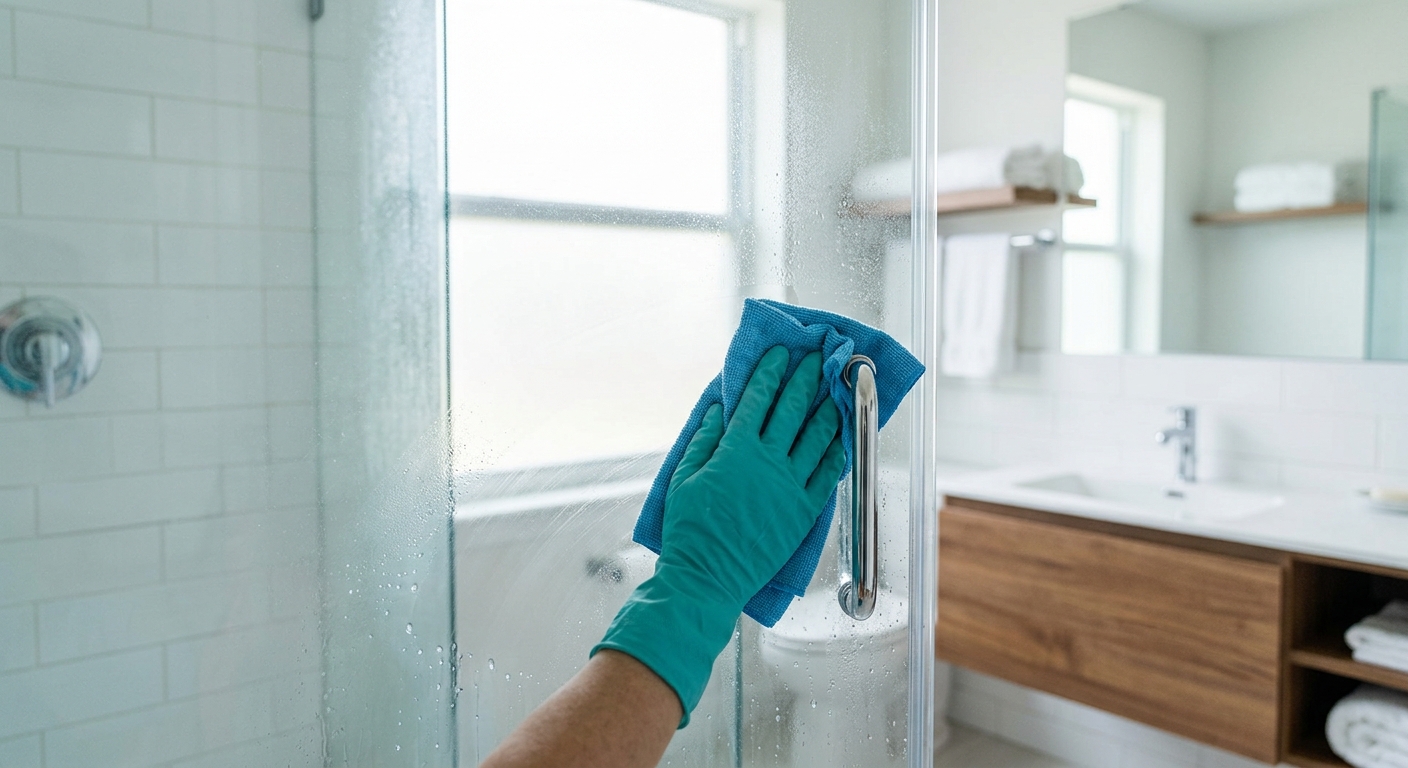
If you live anywhere with serious summer heat and humidity—especially Florida, Texas, or other Gulf states—you know that sticky feeling that settles into your home around May and doesn't let up until October. Your mirrors fog up after every shower, the bathroom grout seems to sprout black spots overnight, and that musty smell? It's not just you.
Summer cleaning isn't just about aesthetics. It's about health, comfort, and preventing the kind of damage that thrives in warm, moist environments. We've cleaned hundreds of homes across Florida during peak summer months, and we've learned that traditional cleaning routines simply don't cut it when you're battling 80% humidity and 95-degree heat.
In this guide, we're sharing the exact summer cleaning tips for Florida heat and humidity that our team uses to keep homes fresh, mold-free, and comfortable—even when it feels like you're living inside a sauna. These aren't generic suggestions you'll find everywhere. These are battle-tested techniques from professionals who deal with summer's worst conditions daily.
Why Summer Cleaning Requires a Different Approach
Here's what most homeowners don't realize: humidity changes everything about how dirt, bacteria, and allergens behave in your home.
According to the EPA, indoor humidity should stay between 30% and 50% to prevent mold growth and maintain healthy air quality. But during summer in humid climates, outdoor humidity regularly hits 70-90%, and without proper ventilation and cleaning protocols, your indoor levels can creep dangerously high.
When humidity exceeds 60%, you're creating ideal conditions for mold spores, dust mites, and bacteria to multiply rapidly. The CDC notes that germs causing food poisoning can survive and spread quickly in warm, humid kitchens—which is why summer cleaning isn't optional, it's essential.
We've walked into homes where homeowners were diligently cleaning but still fighting losing battles against mildew. The problem wasn't effort—it was strategy. Summer demands faster cleaning cycles, different products, and specific techniques that account for moisture in the air.
Timing Your Cleaning to Beat the Heat
One of the biggest mistakes we see? People trying to deep clean during the hottest part of the day. Trust us, we learned this the hard way.
The best time for intensive summer cleaning is early morning (6-9 AM) or evening (after 7 PM). Temperatures are lower, humidity often drops slightly, and cleaning solutions actually work the way they're supposed to.
Why Timing Matters for Specific Tasks
Window cleaning is the perfect example. If you try to clean windows in direct sunlight or midday heat, your cleaning solution evaporates before you can wipe it away, leaving streaks and residue. We schedule all window cleaning for early morning or late afternoon, and we never clean windows when they're hot to the touch.
Mopping is another timing-sensitive task. The EPA specifically warns that if you turn off your HVAC system during or shortly after major wet-cleaning efforts like mopping or carpet shampooing, humidity can spike dramatically and create moisture problems or even mold growth. We always keep the AC running during and after wet cleaning, and we schedule these tasks when we can open windows for cross-ventilation.
Pro Tip: Light cloud cover actually creates ideal conditions for exterior window cleaning by preventing rapid drying. Check the forecast and plan accordingly.
The Battle Against Mold and Mildew
Let's talk about everyone's least favorite summer houseguest: mold. In our experience cleaning across Miami, Fort Lauderdale, and other humid areas, bathroom mold is the number one complaint we hear from May through September.
Mold spores are everywhere—that's just nature. But they need three things to actually grow: moisture, organic material (like soap scum or dust), and warmth. Summer provides all three in abundance.
Critical Mold Prevention Areas
Focus your anti-mold efforts on these high-risk zones:
- Shower walls and grout lines – Where soap residue meets constant moisture
- Bathroom ceilings and corners – Where steam rises and condenses
- Window sills and frames – Where condensation from AC units collects
- Under sinks – Where small leaks often go unnoticed
- Washing machine gaskets – Front-loaders are notorious mold traps
- AC drip pans and drain lines – Constant moisture with organic debris
The Right Way to Clean Mold
Here's something that surprises most people: the EPA doesn't recommend bleach as your go-to mold cleaner. While bleach can disinfect, it's not always the best choice for routine mold cleanup, and it can be harsh in enclosed spaces during hot weather.
For areas smaller than 10 square feet (about 3 ft. × 3 ft.), you can handle mold cleanup yourself. We prefer a solution of detergent and water, or white vinegar, which is gentler but effective. For stubborn bathroom mold, we've had excellent results with Wet & Forget Shower Cleaner—you spray it on, leave it overnight, and rinse the next day without scrubbing. It's particularly effective because it continues working even after you've applied it, breaking down mold and mildew buildup while you sleep.
If you're dealing with larger areas or if the mold keeps returning despite cleaning, you have a moisture problem that needs fixing first. The EPA is clear about this: cleaning mold without fixing the water source is futile. The mold will just come back.
Pro Tip: When cleaning mold, wear an N-95 respirator (available at hardware stores for $12-$25) to limit exposure to airborne spores. Open windows and run exhaust fans to ventilate while you work.
Act Fast on Water Incidents
The EPA provides a critical timeline: if wet or damp materials are dried within 24-48 hours after a leak or spill, mold usually won't grow. This is why we tell clients to treat any water incident—a toilet overflow, a spilled bucket, a leaky AC—as urgent during summer months. Dry it immediately, increase ventilation, and monitor the area for 48 hours.
Room-by-Room Summer Cleaning Strategy
Bathrooms: The Humidity Epicenter
Heat and humidity make bathrooms prime real estate for mold, mildew, and truly unpleasant smells. During summer, bathrooms need attention at least twice a week according to cleaning frequency guidelines—more if you have a large family or poor ventilation.
Our bathroom cleaning protocol for summer:
- Start with ventilation – Run the exhaust fan during and for 30 minutes after every shower. If you don't have a fan or it's weak, crack a window.
- Squeegee shower walls after every use. This single habit prevents more mold than any product. It takes 15 seconds and removes the moisture mold needs to grow.
- Clean toilet bowls twice weekly with a quality cleaner like Lysol Toilet Bowl Cleaner Max Strength. In summer heat, bacteria multiply faster.
- Wash bath mats weekly – They trap moisture and become odor factories in humid conditions.
- Check and clean grout monthly – Use a small brush and your preferred cleaner. Address darkening immediately before it becomes established mold.
For persistently humid bathrooms, consider a small dehumidifier or a moisture-absorbing product. You can pick up an inexpensive humidity meter at hardware stores for $10-$50 to monitor levels. If your bathroom regularly exceeds 60% humidity, you need better ventilation or mechanical dehumidification.
Kitchens: Where Heat Meets Food Waste
Summer heat makes kitchen cleaning absolutely critical. Food spoils faster, garbage smells worse, and bacteria thrive in warmth. We recommend deep cleaning kitchens weekly during peak summer rather than bi-weekly.
Focus areas for summer kitchen maintenance:
Garbage disposal and drains: Food waste breaks down faster in summer heat, creating the perfect environment for odors and bacteria. We clean garbage disposals weekly by grinding ice cubes with rock salt, followed by citrus peels for freshness. For drains, a mixture of baking soda and vinegar followed by hot water keeps things flowing and smelling clean.
Refrigerator coils and seals: Your refrigerator works overtime in summer. Dusty coils force it to work harder, increasing energy costs and reducing cooling efficiency. Vacuum the coils every 2-3 months. Check door seals for gaps—if you can pull a dollar bill out easily when the door is closed, your seals need replacing.
Trash cans: The season's heat brings out truly offensive aromas. We wash kitchen trash cans weekly during summer with a disinfectant cleaner and let them dry completely in the sun. The UV light from direct sunlight actually helps kill bacteria and eliminate odors.
Countertops and surfaces: Use Clorox Disinfecting Wipes or Lysol All Purpose Cleaner after food prep. Don't just wipe—let disinfectants sit for the recommended contact time (usually 30 seconds to 4 minutes) to actually kill bacteria.
Living Areas: Combat Dust and Allergens
Summertime often brings noticeable stuffiness indoors. The combination of heat and moisture creates ideal breeding grounds for dust mites and amplifies existing allergens.
Our approach to living spaces in summer:
Vacuum high-traffic areas twice weekly using a vacuum with a HEPA filter to trap allergens rather than redistributing them. Pay special attention to upholstered furniture—fabrics trap odors, dust, and allergens especially during humid months.
Ceiling fans and vents accumulate dust that gets circulated every time they run. We clean ceiling fan blades monthly during summer. Here's a trick: slip an old pillowcase over each blade, then pull it back—the dust falls into the pillowcase instead of onto your furniture. For high ceilings, use a ceiling fan duster with an extending handle that can reach up to three feet and features microfiber pads that clean all sides of the blade simultaneously.
Air filters: A clean HVAC filter means more efficient cooling and better air quality. During heavy-use summer months, check filters monthly. If they look gray or clogged, replace them. This simple $15-30 task can dramatically improve your indoor air quality and reduce strain on your AC system.
Bedrooms: The Forgotten Humidity Traps
Bedrooms often get overlooked in cleaning routines, but they harbor significant allergen sources, especially in humid weather.
Wash bedding weekly in hot water (at least 130°F) to kill dust mites. In humid climates, mattress protectors aren't optional—they're essential for preventing moisture and allergen buildup in your mattress itself.
Address closet humidity by ensuring air circulation. Packed closets with doors kept closed become musty quickly. If you notice a damp smell, place moisture-absorbing products inside or run a small dehumidifier. Mold on clothes and shoes is surprisingly common in humid summer closets.
The HVAC System: Your Most Important Summer Ally
Your air conditioning system does more than cool your home—it's your primary humidity control during summer. A well-maintained HVAC system can remove significant moisture from indoor air, keeping humidity in that ideal 30-50% range the EPA recommends.
But here's what we see constantly: homeowners spending hundreds on cleaning products while neglecting the one system that most impacts their indoor air quality.
Essential HVAC Maintenance for Summer
Replace filters regularly: Dirty filters restrict airflow, reduce cooling efficiency, and allow dust and allergens to circulate. During peak summer, check monthly and replace when visibly dirty or per manufacturer recommendations (typically every 1-3 months).
Keep vents clear and clean: Vacuum floor vents monthly and ensure furniture isn't blocking airflow. Restricted vents force your system to work harder and can create humidity pockets in blocked areas.
Clean drain lines: Your AC removes moisture from the air, and that water needs somewhere to go. Clogged drain lines can cause water backup, leading to mold growth and even ceiling damage. Pour a cup of white vinegar down the drain line quarterly to prevent algae and mold buildup.
Professional maintenance: Have your HVAC system serviced professionally before summer hits. According to Consumer Reports, programmable thermostats can trim about $180 annually from energy bills. Additionally, leaky ducts account for 25% of cooling costs in an average home. A professional tune-up pays for itself in efficiency and prevents breakdowns during the hottest days when you need cooling most.
Keep your system running during wet-cleaning tasks. The EPA warns that turning off HVAC during or shortly after mopping or carpet cleaning can cause humidity spikes that lead to moisture and mold problems.
Product Recommendations from the Field
After cleaning hundreds of homes through brutal summer conditions, we've developed strong preferences for products that actually perform when fighting heat and humidity.
All-Purpose Cleaners
For general surface cleaning, we prefer Lysol All Purpose Cleaner (Lemon Breeze scent) because it disinfects and cuts through the sticky residue that humid air creates on surfaces. The light scent isn't overwhelming in hot, enclosed spaces.
For clients preferring eco-friendly options, Seventh Generation's plant-based spray ranks as a top seller on Amazon and performs well, though it requires slightly more elbow grease for tough grime.
Bathroom Specialists
We already mentioned Wet & Forget Shower Cleaner for mold, but it deserves emphasis. The spray-and-rinse formula removes buildup and stains practically overnight without tough scrubbing or harsh bleach fumes—critical when you're working in hot, poorly ventilated bathrooms.
For toilets, Lysol Toilet Bowl Cleaner Max Strength handles the increased bacterial load that comes with summer heat and humidity.
Floor Cleaning
For hardwood floors, Bona Hardwood Floor Cleaner is our go-to. It doesn't leave residue (which becomes sticky in humidity) and dries quickly. The 128 oz refill is economical for regular use. We mop high-traffic areas twice weekly during summer.
Glass and Windows
Windex Glass Cleaner remains the standard for good reason—it's reliable and widely available. The key isn't the product as much as the technique and timing: clean early morning or evening, use newspaper or microfiber cloths for streak-free results, and never clean in direct sun.
The Multi-Purpose Wonder
Mr. Clean Magic Erasers deserve a spot in every summer cleaning arsenal. These melamine foam scrubbers remove the scuff marks, grime, and mystery stains that seem to multiply in summer. We use them on baseboards, light switches, door frames—anywhere that accumulates the sticky film that humid air creates. They work without chemicals, which is ideal when ventilation is challenging.
Common Summer Cleaning Mistakes (And How to Avoid Them)
Over the years, we've seen homeowners make the same mistakes repeatedly when adapting to summer cleaning challenges. Here's what to avoid:
Mistake #1: Using Strong-Scented Cleaners in Poor Ventilation
That pine-scented cleaner smells fine in spring with windows open. In a hot, closed bathroom with 70% humidity? It's overwhelming and can trigger respiratory issues. Avoid heavily scented products in poorly ventilated spaces during summer, or ensure you have excellent air circulation.
Mistake #2: Not Adjusting Cleaning Frequency
Your winter cleaning schedule doesn't work in summer. Dirt, bacteria, and allergens build up faster in heat and humidity. Aim to deep clean key areas like bathrooms, kitchens, and floors weekly during summer rather than bi-weekly. It seems like more work, but staying ahead of buildup is actually easier than fighting established grime.
Mistake #3: Closing Up the House to Keep Cool
We understand the instinct—you're running the AC and don't want to "waste" cool air. But without any air exchange, humidity and pollutants build up indoors. Even in summer, open windows briefly during cooler morning hours to exchange air. If outdoor air quality or humidity is terrible, your HVAC system with a good filter becomes even more critical.
Mistake #4: Ignoring Early Warning Signs
That musty smell? That's not just "summer odor." It's often early mold or mildew that's much easier to address now than later. Those small black spots in shower grout? They're not "decorative." They're mold that will spread if not treated immediately. Addressing small issues early prevents major problems.
Mistake #5: Believing Mold Goes Away on Its Own
We've had clients tell us, "Oh, that always happens in summer." No. Mold appearing every summer means you have a moisture or ventilation problem that needs fixing. Cleaning visible mold is necessary, but if you're not addressing the underlying moisture issue, you're just temporarily hiding the problem.
Mistake #6: Turning Off AC to Save Money
The $10-20 you might save on a few days' electricity isn't worth the potential mold damage and remediation costs. Maintaining consistent temperature and humidity is far more effective than allowing wild swings. If budget is a concern, programmable thermostats let you raise temps during work hours but still maintain humidity control.
DIY vs. Professional Cleaning: When to Call the Pros
Most summer cleaning tasks are absolutely manageable for homeowners with the right approach and products. Regular maintenance—weekly bathroom cleaning, kitchen sanitizing, floor mopping—these are all great DIY activities.
However, there are situations where professional help makes sense:
When you're fighting losing battles: If you're cleaning regularly but still dealing with persistent musty smells, recurring mold, or allergy symptoms that won't quit, you likely need a professional deep clean to reset your home, plus identification of any moisture or ventilation issues.
Post-vacation catch-up: You return from two weeks away, the house has been closed up in summer heat, and everything feels sticky and smells off. A professional team can handle the intensive cleaning needed to make your home comfortable again while you settle back in.
Pre-summer deep clean: Starting summer with a truly clean slate—professionally cleaned carpets, deep-cleaned bathrooms, sanitized kitchen—makes maintaining cleanliness through the season much more manageable.
When time is your limiting factor: Summer brings vacations, kids home from school, and busy schedules. If cleaning time competes with family time or self-care, professional recurring cleaning services maintain your home without sacrificing your summer.
At Catalina Cleaning, we serve homes across South Florida (Miami-Dade, Broward and Palm Beach counties), the St. Petersburg area, and the Florida Panhandle coast from Pensacola to Panama City Beach, with cleaners who have 2+ years cleaning homes (no hotels, no offices). We understand the unique challenges that come with summer in these regions because we live and work here too.
Frequently Asked Questions
How often should I clean my bathroom during summer in humid climates?
Clean bathrooms at least twice weekly during summer months in humid areas. The combination of heat and humidity creates ideal conditions for mold and bacteria growth. Focus on toilets, shower walls, and floors, and squeegee shower walls after every use to prevent moisture buildup. If you notice mold appearing between cleanings, increase frequency to three times weekly until you get ahead of the problem.
What's the best time of day to clean windows in summer?
Clean windows in early morning (6-9 AM) or late afternoon (after 7 PM), never in direct sunlight or during peak heat. When cleaning solutions hit hot glass in direct sun, they evaporate too quickly and leave streaks and residue. Light cloud cover actually creates ideal conditions by slowing evaporation. Always check that the glass is cool to the touch before starting.
Can I use bleach to clean mold in my bathroom?
While bleach can kill mold, the EPA doesn't recommend it for routine mold cleanup. Bleach can be harsh in enclosed spaces, especially during hot weather when ventilation is challenging. For most bathroom mold situations (areas smaller than 10 square feet), detergent and water or white vinegar work effectively and safely. Products like Wet & Forget Shower Cleaner provide excellent results without harsh fumes. Always address the moisture source causing the mold, or it will return regardless of cleaning product.
Should I turn off my air conditioning while mopping floors to save energy?
No, keep your HVAC system running during and after wet-cleaning tasks like mopping or carpet shampooing. The EPA specifically warns that turning off HVAC during major cleaning efforts involving water can cause humidity to spike dramatically, potentially leading to moisture problems or mold growth. Your AC system helps remove the excess moisture introduced by wet cleaning, maintaining healthy indoor humidity levels.
Conclusion: Staying Ahead of Summer's Challenges
Successful summer cleaning in heat and humidity isn't about working harder—it's about working smarter. By understanding how warmth and moisture affect your home, adjusting your cleaning frequency and timing, using appropriate products, and maintaining proper ventilation and humidity control, you can keep your home fresh and comfortable all season long.
The key takeaways for implementing these summer cleaning tips for Florida heat and humidity: maintain humidity between 30-50%, address moisture and mold immediately, clean high-risk areas like bathrooms and kitchens at least twice weekly, time intensive cleaning for cooler hours, keep your HVAC system maintained and running, and don't let small issues become big problems.
Remember that staying consistent with lighter, more frequent cleaning is far less work than fighting accumulated grime and mold from neglect. The techniques we've shared here come from real-world experience cleaning in some of the most challenging summer conditions in the country.
If you'd rather spend your summer enjoying time with family instead of fighting humidity-induced cleaning challenges, Catalina Cleaning offers recurring services designed specifically for humid climates. Our teams understand these conditions because we work in them daily, and we'd be happy to help keep your home fresh and healthy all summer long.